Ban Khrua
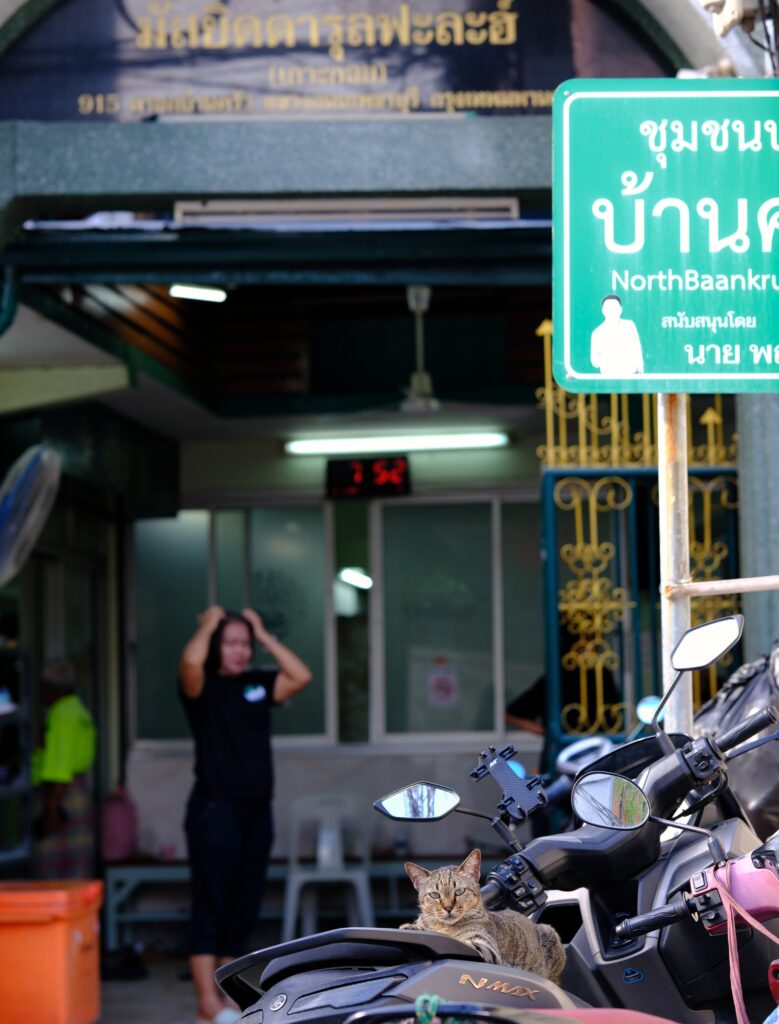
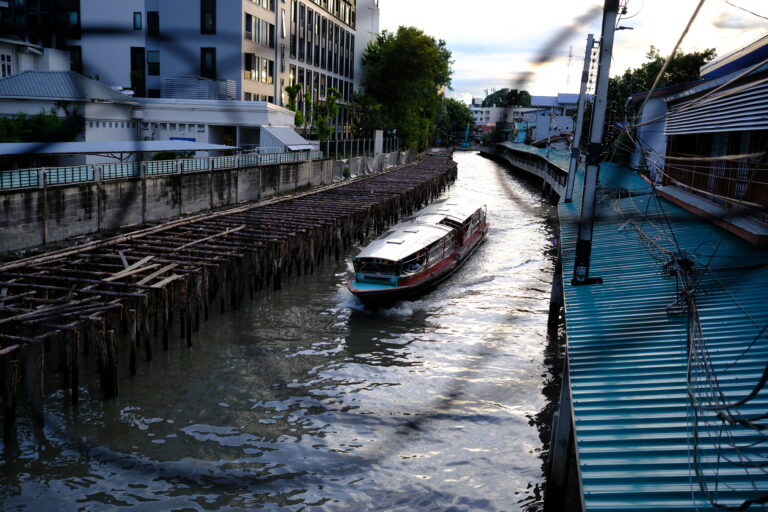
My first acquaintance with the Ban Khrua community happened early in the morning. I stepped out of my hotel for a walk, followed the canal, and could not stop until the walkway ran out. What struck me then was that amid the skyscraper jungle, the noise of roads and the rhythm of a big city, you could suddenly find yourself in a Bangkok from some bygone time. I returned to my room buzzing, full of impressions, with the firm intention of exploring this place someday.
Since then my wife and I have moved and settled in Soi Kasemsan 2, not far from the Jim Thompson House museum.
Jim Thompson’s neighbors across the canal
You probably know the story of Jim Thompson, the American journalist, spy (?) and businessman. When Thompson set out to establish his permanent home in the late 1950s, he deliberately bought a plot on the south bank of Khlong Saen Saep. Directly across the water sat Ban Khrua, a historic enclave of ethnic Cham Muslim weavers. Thompson would cross the canal by boat to work with the weavers, supplying them with new dyes and buying their hand-woven textiles. This cross-canal partnership became the working foundation of his global luxury silk brand. At the time of his disappearance he was one of the most famous Americans living in Asia. If Time magazine is to be believed, he “almost singlehanded saved Thailand’s vital silk industry from extinction.”
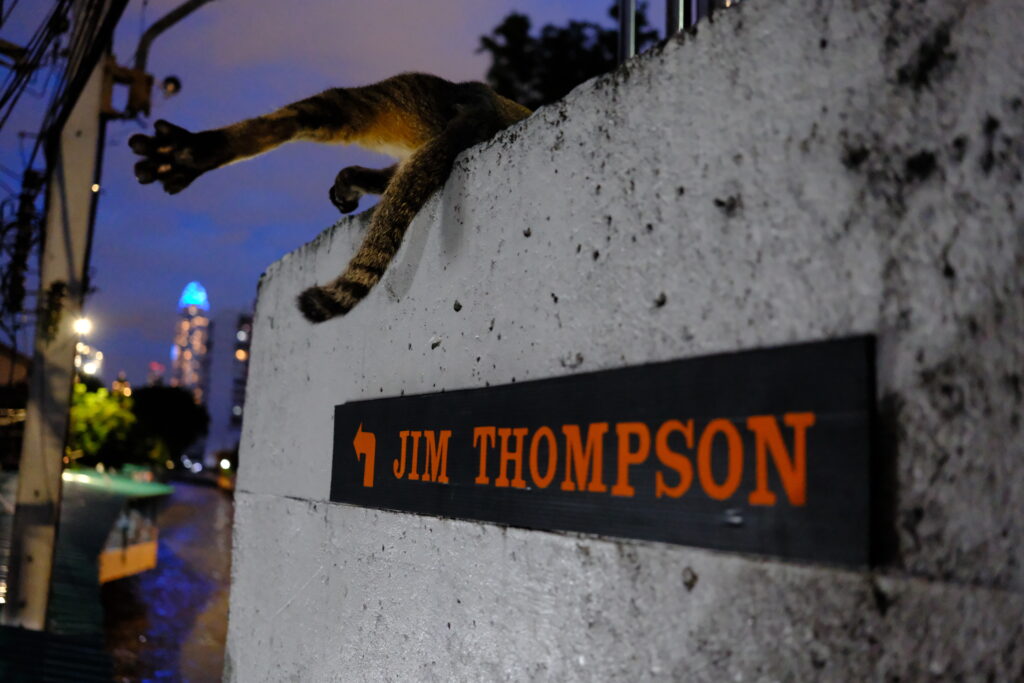
And so today, down the narrow Soi Kasemsan 2, crowds of tourists stream daily toward his house – on foot and in electric golf carts. They tour the museum, visit the silk shop, eat at the restaurant. But I walk past and dive into the lane along the canal.
Khlong Saen Saep – a hundred thousand stings
The canal is called Khlong Saen Saep. The name Saen Saep (แสนแสบ) is an evocative Thai phrase that translates to “immense stinging” or “a hundred thousand stings.”
The most popular legend says that when the canal was hand-dug through the marshy lowlands in 1837, the area was heavily infested with ferocious swarms of mosquitoes. The laborers and early boat travelers suffered countless, constant insect bites, describing the experience as “a hundred thousand stings.” Today, locals often jokingly reference the literal meaning (“immense stinging”) when talking about the canal’s infamously pungent odor during the hot season.
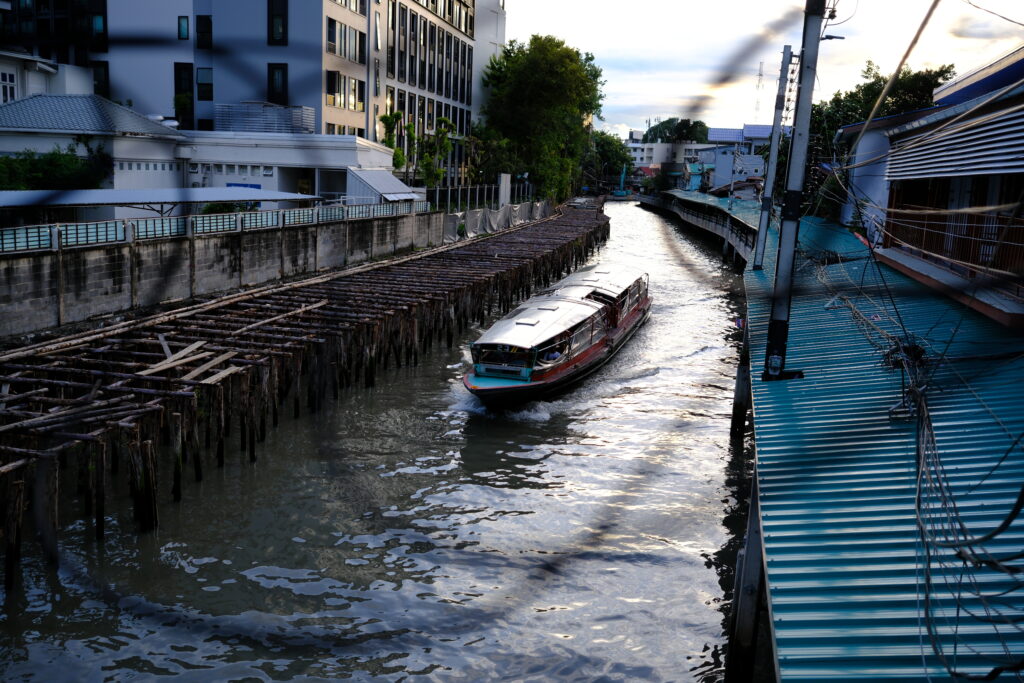
Along the canal, boat-taxis race past every few minutes, squeezing between the narrow banks and chasing ripples of sunlight across the water. The famous Khlong Saen Saep Boat Service, a frantic water-taxi network, carries thousands of commuters daily.
Two centuries of Ban Khrua
But I have not come for a boat ride. My mission is different: establishing diplomatic relations with the local feline population of Ban Khrua.
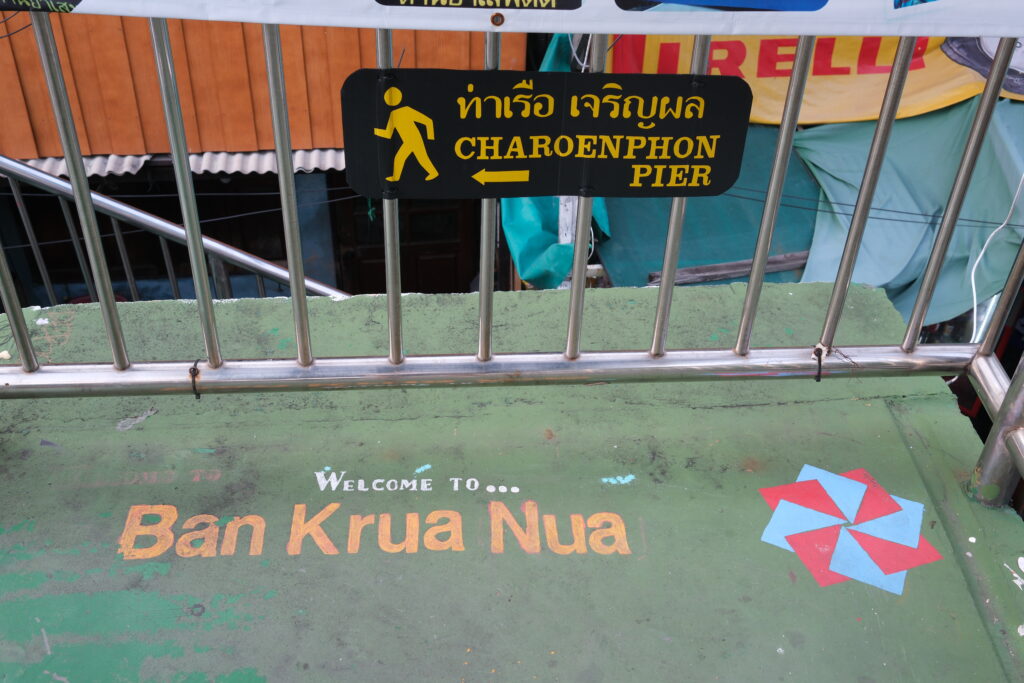
The neighborhood is a Cham Muslim community more than two centuries old. In the late 18th century, ethnic Cham Muslims fleeing conflicts in Cambodia and Vietnam served as volunteer soldiers for King Rama I during the Burmese-Siamese wars. In gratitude for their fierce military service, King Rama I granted them this plot of land just outside the early city walls. Their descendants still live here, in wooden houses clustered along the canal.
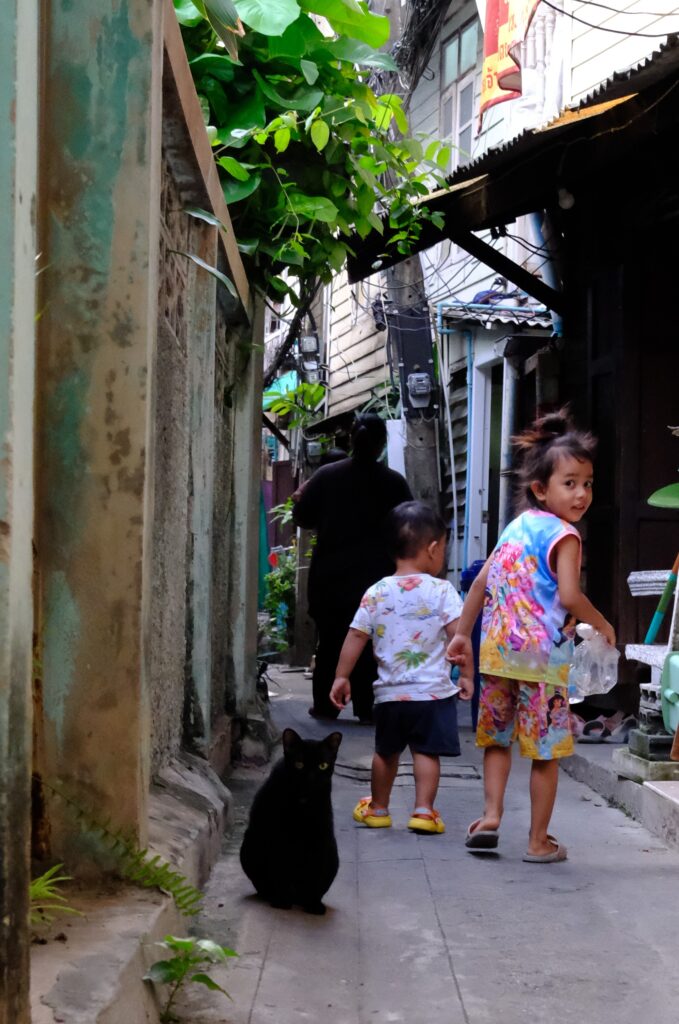
There are also three mosques:
Jamiul Khairiyah Mosque – the grand central mosque and the original heart of the community, established on land granted by King Rama I to Cham military volunteers.
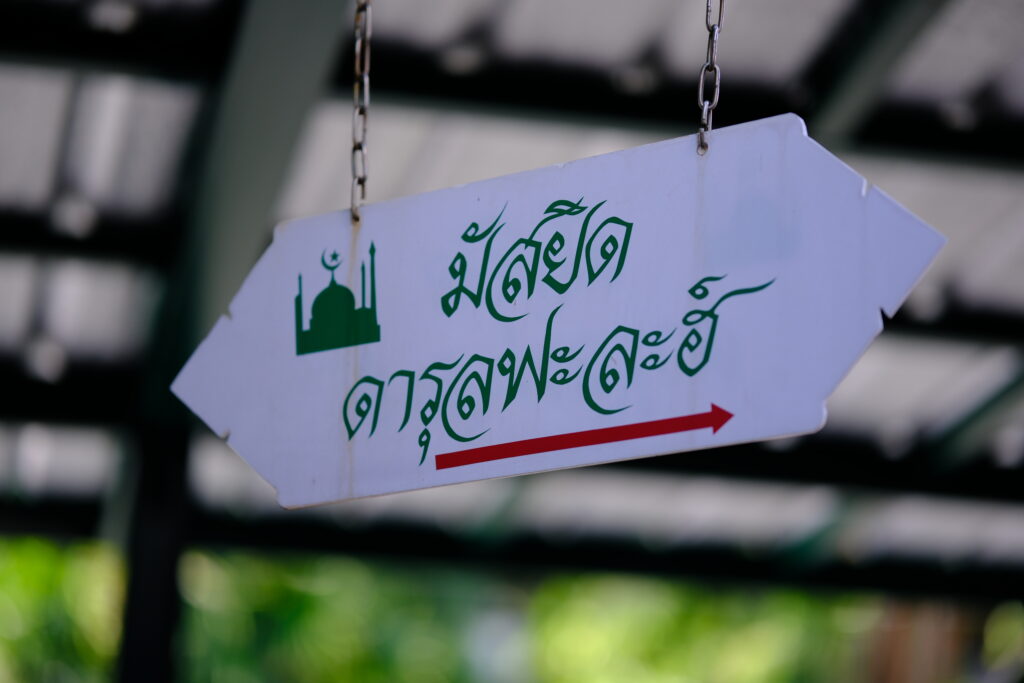
Darul Falah Mosque – built during the reign of King Rama V on the eastern edge of the community to serve families who lived too far from the main central prayer hall.
Sulukul Muttaqin Mosque – located in the western and southern pockets of the maze-like alleys. It traces its lineage back to 1917, starting out as a smaller wooden structure known as Surae Yipa before evolving into a registered marble community mosque.
And the muezzin’s call drifting from their minarets weaves itself into the many-voiced sound of Bangkok.
At first I kept to the canal and steered clear of the little side lanes, but gradually I got a taste for it and discovered a wealth of curiosities.
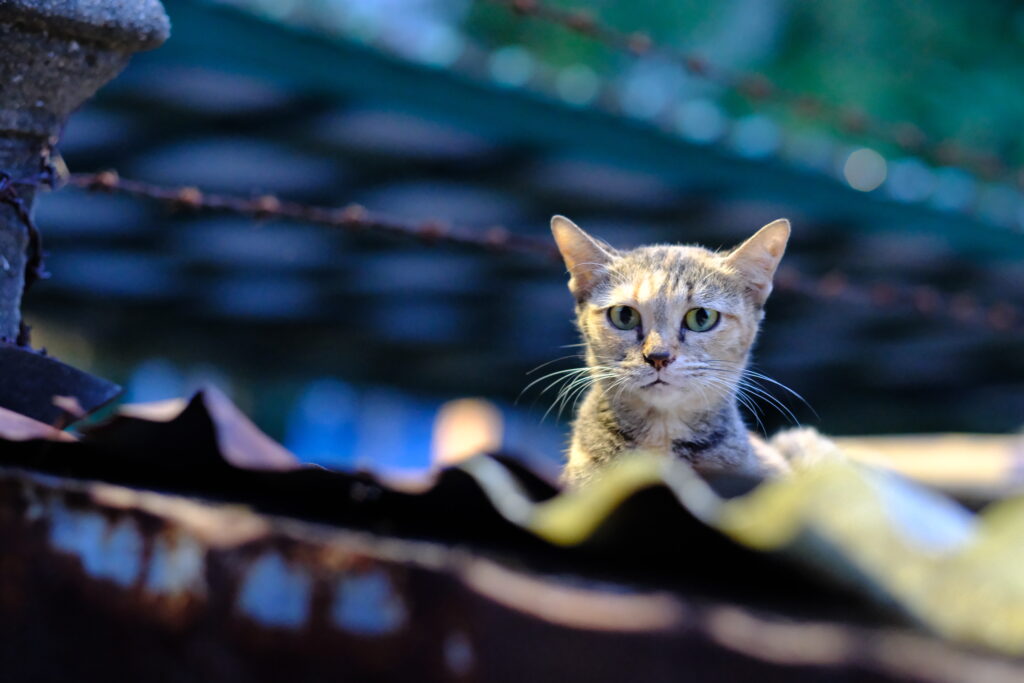
Wooden buildings, hidden corners, residents who are friendly for the most part and – the main thing – lots of cats! Given my passion for them, this is simply paradise. And these cats are not pampered house pets sitting out their lives on the couch, but not ownerless strays either. No – they are community cats: watched over and cared for, yet walking by themselves. My favorite part is the roofs. The houses are all one or two stories, and the roofs are at the full disposal of the furry residents. I have written miniatures about this more than once, and will keep writing them, because I enjoy it!
How to get to Ban Khrua
If you decide to explore Ban Khrua and meet the local cats, the best time is early morning, while it is still cool and the city has not woken up, or the hour before sunset – more crowded, hotter and brighter. You can take a public boat and get off at the nearby Hua Chang Pier, then walk. Or BTS National Stadium – from there past the Jim Thompson House and across the canal.
Enjoy your walk – and the company of the local furry gang.